Key Services Offered by Asphalt Contractors for Residential and Commercial Properties
Asphalt contractors fulfill a critical role in boosting the appearance and functionality of both residential and commercial properties. Their services include everything from driveway installation and parking lot paving to critical maintenance tasks like sealcoating and crack repair. Each service enhances the longevity and safety of asphalt surfaces. Understanding these offerings can help property owners make knowledgeable choices. What specific benefits do these services supply, and how can they affect long-term property value?
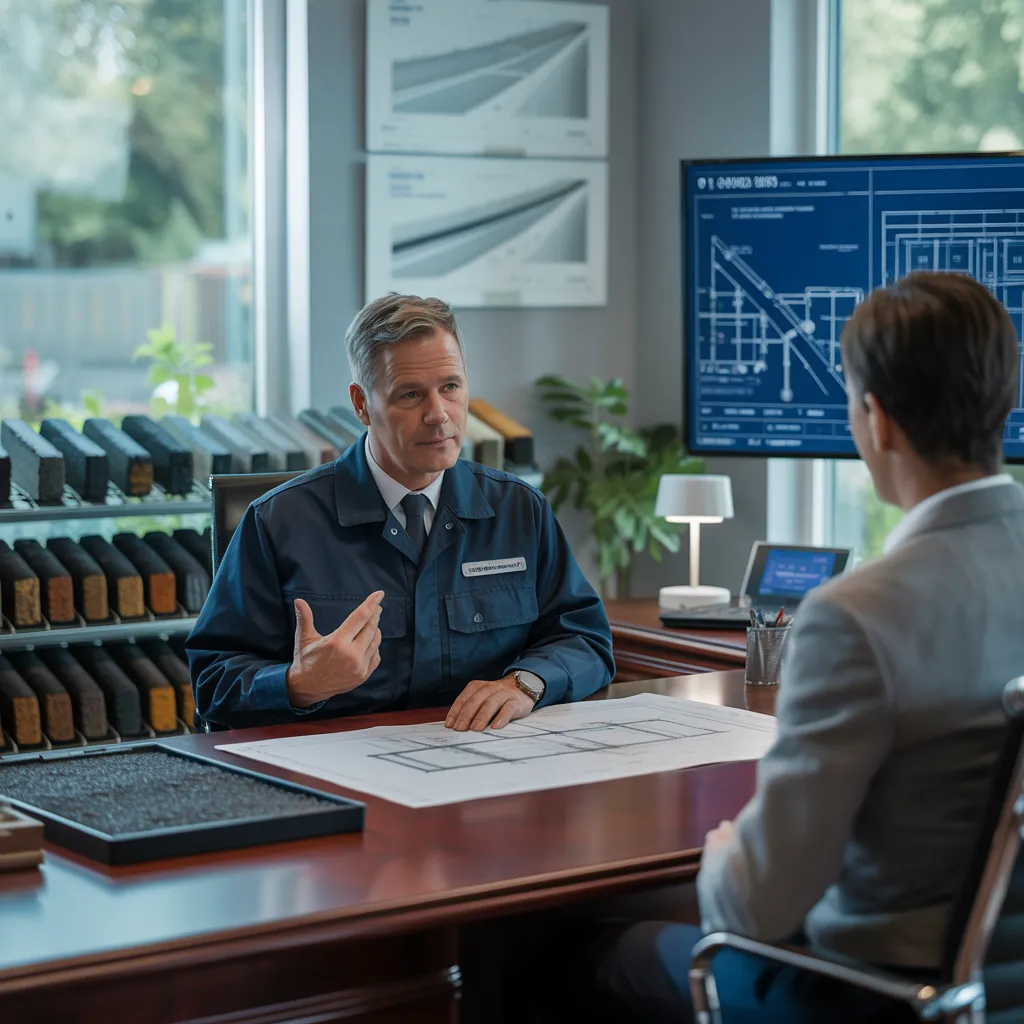
Repair and Installation of Driveways
Driveway installation and repair play an essential role in improving both the functionality and aesthetic appeal of residential properties. A properly built driveway offers secure and reliable access for vehicles while also adding to the overall curb appeal of a home. Asphalt contractors specialize in creating durable driveways that resist different weather conditions and heavy traffic. They deliver services spanning from initial installation to maintenance and repairs, ensuring that driveways remain in optimal condition over time. Common repair services include addressing cracks, potholes, and surface wear, which can threaten safety and appearance. By employing quality materials and expert techniques, asphalt contractors make certain that each driveway satisfies the specific needs of homeowners, ultimately improving property value and usability.
Parking Lot Resurfacing and Paving Services
Parking lots serve as essential access points for commercial enterprises, requiring the same focus on quality and durability as residential driveways. Professional asphalt contractors handle parking lot paving and resurfacing to guarantee these areas are functional, safe, and attractive. The paving process usually involves property assessment, excavation, and the application of asphalt layers. Resurfacing, on the other hand, renews existing asphalt by installing a new layer that improves performance and appearance. These services are essential for prolonging the life of the pavement, reducing the risk of surface damage, and enhancing overall safety for pedestrians and vehicles. Properly executed paving and resurfacing can significantly enhance a property's curb appeal and functional efficiency.
Sealcoating Solutions for Longevity
Sealcoating applications provide a crucial purpose in maximizing the longevity of asphalt surfaces by offering a protective barrier against weather-related deterioration. Regular application of sealant can significantly improve strength and visual appeal, making it an essential aspect of maintenance. Creating a recommended maintenance schedule secures that the benefits of sealcoating are maximized over time.
The Benefits of Sealcoating
Keeping up asphalt surfaces is crucial for their longevity, and one very successful method is sealcoating. This process entails applying a protective layer that shields the asphalt from damaging elements such as UV rays, water, and oil. By blocking oxidation and moisture penetration, sealcoating significantly reduces the risk of cracks and potholes, prolonging the life of the pavement. Furthermore, sealcoating enhances the appearance of asphalt, giving it a clean, dark finish that improves curb appeal for both residential and commercial properties. Additionally, it assists in resisting the wear and tear caused by heavy traffic and extreme weather conditions. Overall, sealcoating serves as a budget-friendly strategy for upholding asphalt integrity, ultimately sparing property owners funds for repairs and replacements.
Suggested Maintenance Schedule
A properly structured maintenance schedule is essential for increasing the benefits of sealcoating and maintaining the longevity of asphalt surfaces. Commonly, it is recommended that residential and commercial properties undergo sealcoating every two to three years, depending on traffic volume and environmental conditions. Regular inspections are vital, as they can help locate cracks or damage early, allowing for timely repairs. Furthermore, property owners should establish a routine of cleaning the surface to remove debris, oil, and chemicals that can degrade the asphalt. Implementing a proactive maintenance plan not only increases the life of the surface but also enhances its appearance and safety. By adhering to this schedule, property owners can protect their investments efficiently.
Professional Asphalt Crack Filling and Repair
Fissures in asphalt pavement can cause considerable harm if ignored, making timely restoration and sealing critical. Asphalt crack sealing and restoration encompass identifying and treating fissures to avoid water seepage and continued degradation. Experts employ specialized materials, such as hot rubberized sealants, which expand and contract with temperature changes, guaranteeing longevity. The process initiates with sanitizing the cracks to eliminate dirt and water, followed by applying the sealant to thoroughly close the spaces. This service not only increases the longevity of the asphalt but also boosts the visual appeal of the surface. Regular maintenance, Downers Grove Electrician including crack filling, is necessary for private and commercial facilities, preserving value and maintaining safe entry for cars and foot traffic equally.
Line Marking and Striping
Line striping and marking play an essential role in ensuring safety compliance standards on roadways and parking lots. Imperative proper design and layout ensure effective traffic guidance, while material selection significantly affects visibility and durability. For asphalt contractors seeking to provide high-quality services, understanding these elements is crucial.
Safety and Compliance Requirements
Maintaining safety compliance standards in line striping and marking is essential for preserving orderly traffic flow and preventing accidents. Asphalt contractors need to adhere to local, state, and federal regulations that dictate the dimensions, colors, and materials used for markings. Proper visibility and durability are essential, as they directly impact driver and pedestrian safety. Additionally, contractors should use reflective paint to improve visibility during low-light conditions. Regular inspections and maintenance of markings are essential to ensure compliance and effectiveness over time. By following established guidelines, asphalt contractors help to more secure environment, reducing the likelihood of accidents in both residential and commercial properties. Ultimately, adherence to safety standards fosters trust among clients and the community, reinforcing the importance of professional asphalt services.
Design along with Layout
Strategic design and layout are vital components of successful line striping and marking projects. Thorough planning guarantees that markings are not only visually appealing but also functional. Asphalt contractors assess the intended use of the space, considering factors such as traffic flow, safety, and accessibility. They use precise measurements to establish the placement of lines, symbols, and directional arrows, improving clarity for drivers and pedestrians alike. Additionally, contractors often partner with property owners to customize layouts that meet specific needs, such as reserved parking or loading zones. The result is a efficiently designed surface that optimizes space utilization while promoting safety. A thoughtful design approach ultimately contributes to the longevity and effectiveness of the markings applied.
Types of Materials Used
Choosing the suitable materials for line striping and marking is a fundamental aspect that directly impacts the longevity and visibility of the markings. Asphalt contractors typically employ a selection of paint types, including water-based, solvent-based, and thermoplastic materials. Water-based paints are favored for their quick drying time and eco-friendliness, making them excellent for residential applications. Solvent-based paints offer improved durability and resistance to weather conditions, appropriate for high-traffic commercial areas. Thermoplastic materials, which are heated and applied, provide remarkable lifespan and visibility, often used for long-lasting markings. Additionally, reflective materials can be integrated to enhance visibility at night or in low-light conditions, providing safety for drivers and pedestrians alike. Each material choice supports the specific needs of the property.
Water Drainage and Grading
For maintaining the integrity of asphalt surfaces, proper drainage solutions and grading are essential components. Asphalt contractors play an important role in creating effective drainage systems that avoid water accumulation, which can bring about surface damage and deterioration over time. By analyzing the property's topography, they can execute grading techniques that direct water away from the asphalt, providing effective runoff. This process not only defends the pavement but also boosts the overall longevity of the surface. Additionally, properly implemented drainage solutions lessen the risk of potholes and cracks, upholding the functionality and aesthetics of both residential and commercial properties. Ultimately, committing to proper drainage and grading is vital for upholding the quality of asphalt installations.
Upkeep Programs for Asphalt Surfaces
Routine maintenance programs for asphalt surfaces are vital for increasing their lifespan and guaranteeing peak performance. These programs usually include scheduled inspections, crack sealing, and sealcoating, which protect the asphalt from UV damage and moisture infiltration. By managing minor issues quickly, property owners can stop costly repairs and retain the surface's integrity. Additionally, regular cleaning to remove debris and oil spills helps copyright an attractive appearance and stops deterioration. Professional asphalt contractors can create customized maintenance schedules tailored to specific property needs and environmental conditions. Ultimately, implementing an all-encompassing maintenance program not only enhances the durability of asphalt surfaces but also leads to safety and aesthetic appeal, making it a smart investment for both residential and commercial properties.
Common Questions
How Much Time Does Asphalt Need to Cure Following Installation?
Asphalt usually takes 24 to 48 hours to set after installation. However, full curing can take several weeks, depending on environmental conditions like temperature, humidity, and the thickness of the asphalt layer applied.
What Factors Affect the Expense of Asphalt Services?
A number of factors determine the price of asphalt services, including the quality of materials, project size, location, labor rates, and additional features like drainage or reinforcement. Every element plays a significant role in defining complete pricing.
Can Asphalt Be Laid in Cold Weather?
Asphalt can be laid in cold weather, but it necessitates special techniques and materials to ensure proper adhesion and curing. Cold temperatures can hinder the performance, creating potential long-term concerns if not managed correctly.
How Often Do I Need to Seal My Asphalt Surface?
It is advisable to seal an asphalt surface every three to five years, depending on factors such as climate, usage, and wear. Regular sealing helps preserve durability and appearance, increasing the lifespan of the asphalt.
What Is the Lifespan of an Asphalt Driveway?
Asphalt driveways generally last between 15 to 30 years, depending on factors such as climate, maintenance, and usage. Consistent sealing and repairs can substantially extend its lifespan, ensuring long-lasting performance and visual appeal over time.